
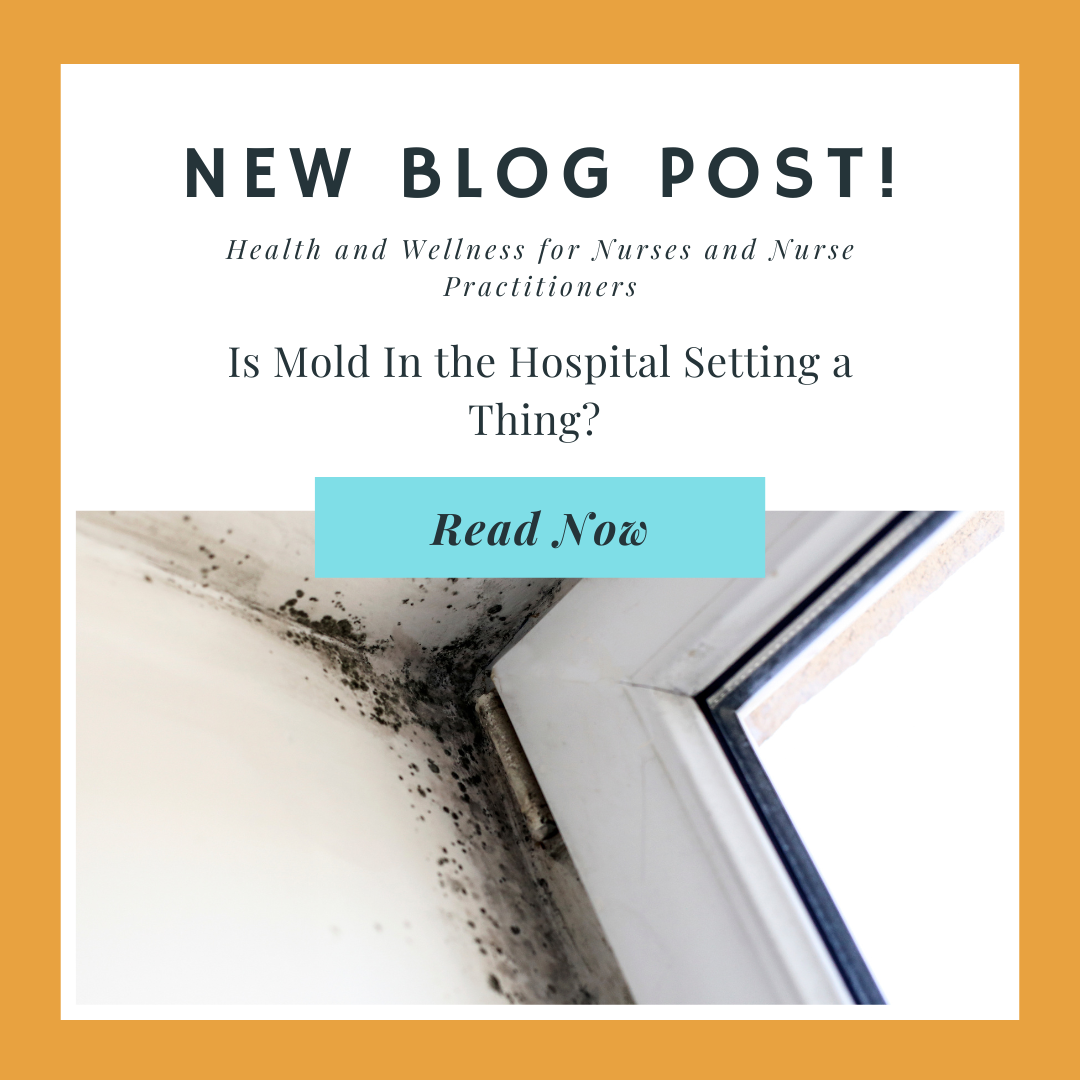
Inhalational Health Effects of Mold
Overview
Mold is a type of fungus that we can find indoors and outdoors. It can grow on various surfaces, including walls, floors, and ceilings. When mold spores become airborne, they can be inhaled, causing an array of health problems. This is particularly concerning for people with pre-existing respiratory conditions.
Healthcare professionals need to be aware of this issue to take the necessary steps to protect themselves and their patients.
In this article, we will briefly cover the health effects of mold inhalation, then switch gears to some risk factors that increase the risk of disease progression.
What are the health effects of mold inhalation?
Exposure to mold can cause a range of respiratory problems, including:
- Allergic reactions
- Asthma exacerbation
- Hypersensitivity pneumonitis
A study published in the Journal of Occupational and Environmental Medicine found that individuals with asthma who were exposed to mold had an increased risk of asthma exacerbation. Another study demonstrated that exposure to mold in the workplace increases the risk of hypersensitivity pneumonitis.
Researchers also found that mold triggers symptoms of allergies, including a runny nose, eye irritation, and urticaria. Unfortunately, prolonged inhalation of mold can cause severe complications, including neurological and immune disorders.
The risk of mold inhalation in healthcare providers
Healthcare providers may be at risk of mold inhalation if they work in environments where mold is present, such as in damp or water-damaged buildings. They are also at risk of contracting infections caused by mold (e.g., aspergillosis). This is particularly concerning for healthcare providers who have compromised immune systems, such as those undergoing chemotherapy or with HIV/AIDS.
For this reason, the medical and paramedical personnel must be aware of the potential health effects of mold exposure and the steps to protect themselves. For instance, wearing personal protective equipment and avoiding exposure to moldy environments can significantly reduce the risk of exposure.
Additionally, healthcare facilities should take the necessary measures to prevent and address mold growth to protect both staff and patients. Examples include regular building maintenance and inspections.
Nurses are even more exposed!
There have been several studies that investigated the exposure of nurses to mold inhalation in healthcare settings.
One study revealed that nurses working in hospitals with high levels of mold exposure had a higher prevalence of respiratory symptoms compared to nurses working in hospitals with lower levels of mold exposure. Another study found that nurses who work in units with water damage and mold had higher rates of respiratory symptoms and infections.
These studies prove that nurses may be the most susceptible healthcare workers to mold inhalation.
Takeaway Message
Mold inhalation at the workplace can put you at risk of various health problems. Some are benign and require little to no medical attention, whereas others can lead to severe complications.
We hope that this article managed to highlight the potential health problems that mold inhalation can cause for healthcare professionals.
If you have any questions or concerns about the effects of mold inhalation on healthcare professionals, please feel free to share your thoughts in the comment section below.
Leave A Comment